
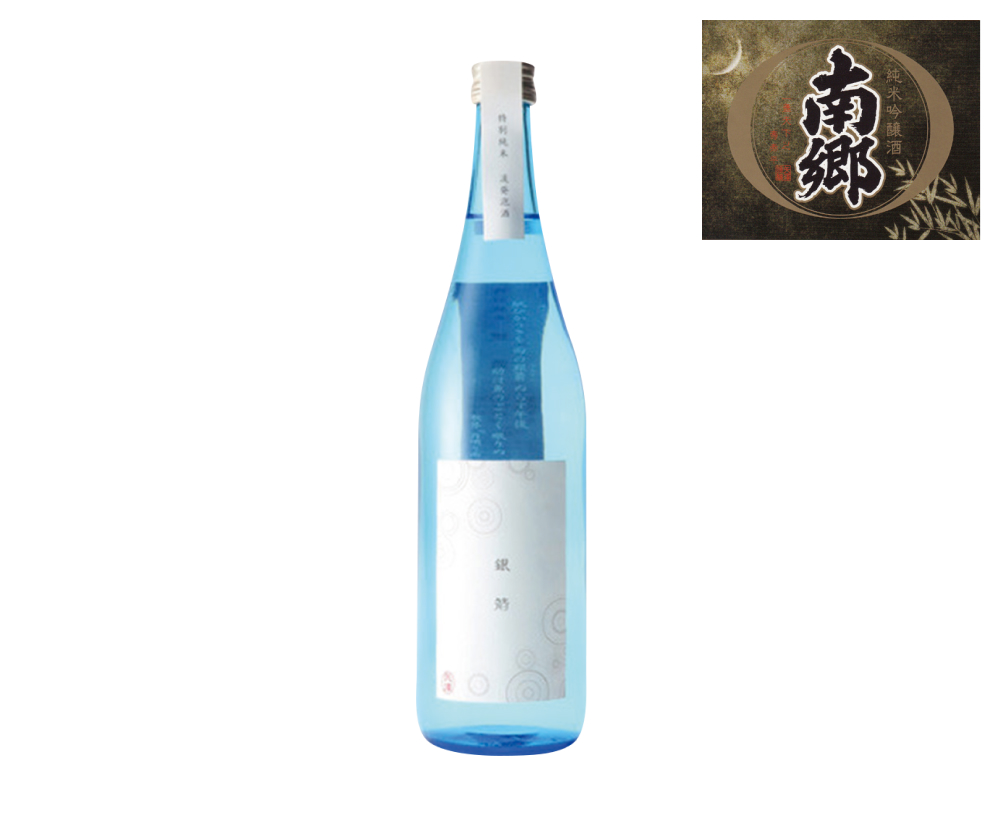
Tokubetsu Junmaishu (Muroka Nama Genshu) Ginsen
The Flavor of Traditional Methods, Brewed in a Storehouse Ideal for Microorganisms.
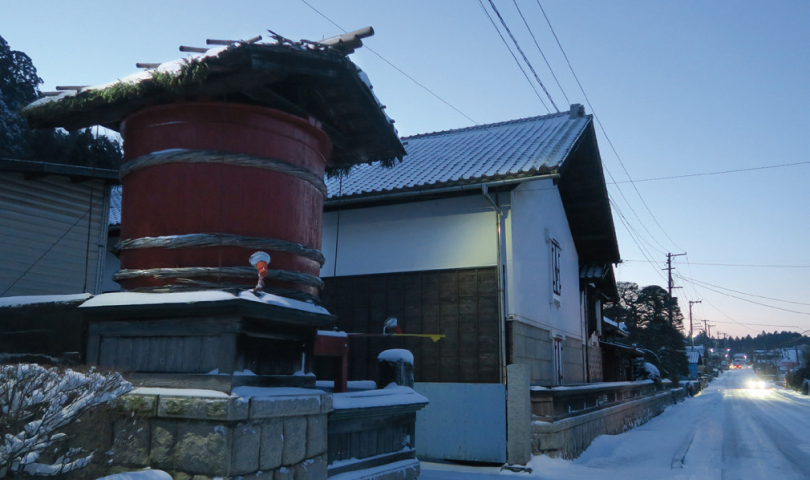
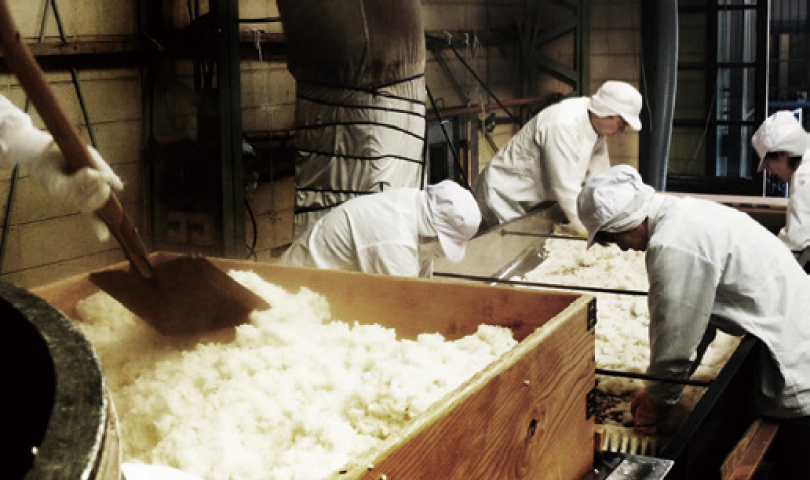
The story begins in 1833. Even today, the brewing takes place in a historic storehouse (kura) built during the Tenpo era. This isn't just a building; it's a living piece of history, home to an incredibly long legacy of kuratsuki (brewery-resident) yeast. This place is a sanctuary for the microorganisms that create delicious sake. They use traditional tools chosen for this very purpose: a wagama koshiki cauldron that uses powerful steam to prepare the rice, and hand-carved cedar kaibo (paddles) to gently mix the moromi. Every tool is gentle, chosen to nurture the life within the brew.
"In sake brewing, every single process, every single tool, has a specific reason. It's called a 'traditional method' because we protect those reasons," explains the ninth-generation owner, Masahiro Yazawa. He also holds a deep reverence for the saijiki—the traditional calendar of sake. This is not a brewery that rushes. For instance, their hiyaoroshi is never bottled before October. Why? "Sake does not become truly delicious," he says, "unless it has been allowed to rest until the outside air temperature is roughly the same as that inside the storehouse."
The head brewer (toji) is Takayuki Komatsu, a master who carries on the revered techniques of the Nanbu toji guild.
He holds fast to a powerful conviction: "The quality I am aiming for," he says, "is a sake that maximizes the inherent umami, sweetness, and fullness of the rice itself—the very essence of sake. The highly fruity, aromatic sakes popular today are certainly appealing, but I believe the optimal sake for pairing with a meal is one with a gentler aroma, a sake that truly expresses the original, pure flavor of the rice." This is the philosophy he pursues, creating an appealing sake that is both wonderfully complex and possesses an alluring, clean finish.
And this story of tradition is still being written. In April 2023, a new storehouse capable of micro-brewing was completed. This new space opens up a new chapter, making it possible to create small, custom-made batches by the barrel. Alongside it, they have opened a tasting room, cafe, and shop, inviting visitors to come and experience this living history for themselves.
Yazawa Shuzo