
02 TOJI Women!
Kitanohana Shuzojo
Rie Hoshi
Facing Sake Brewing with Strength and Resilience
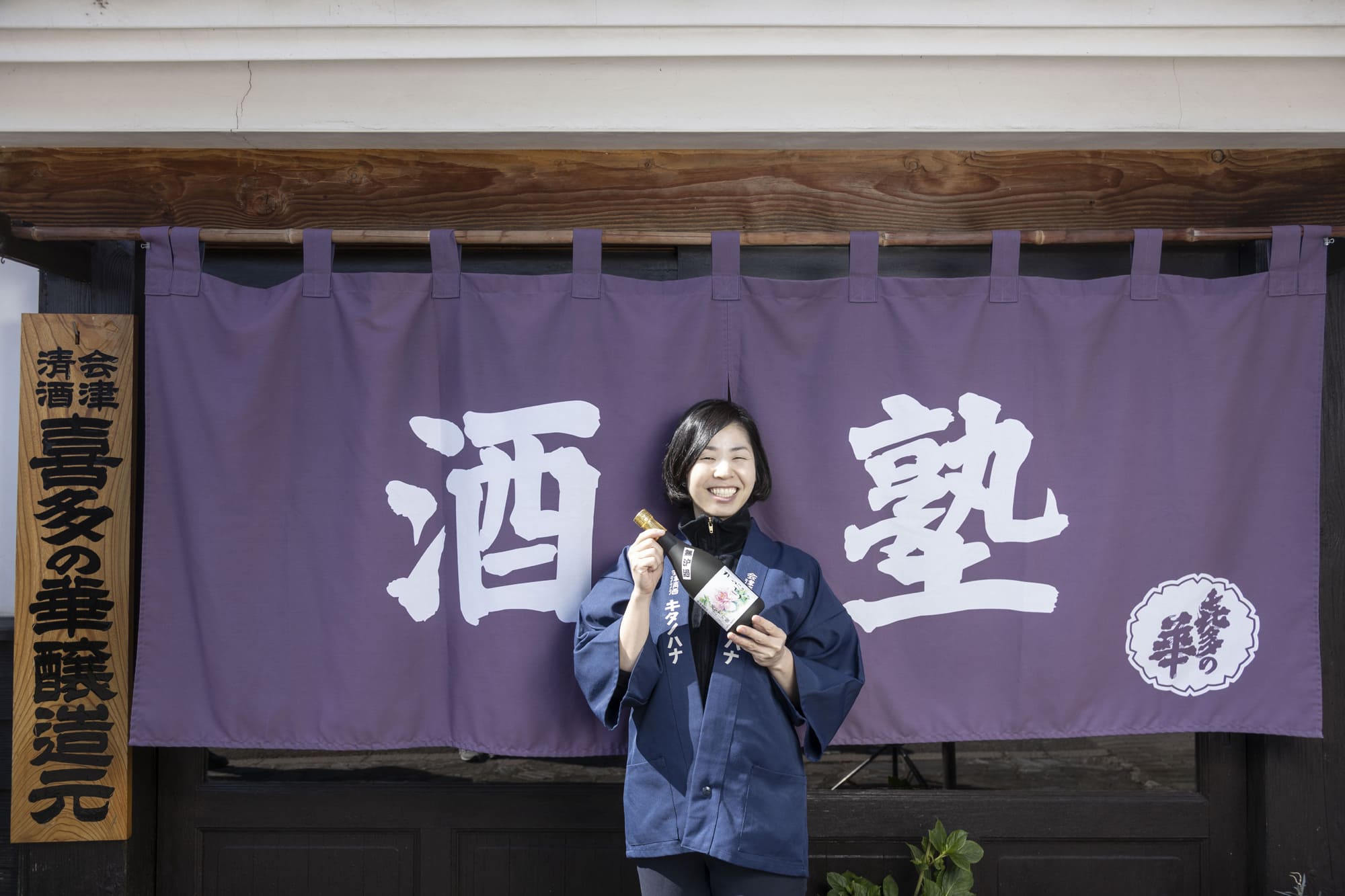
Rie Hoshi(Kuramoto Toji (Owner-Brewer))
The 4th generation owner of Kitanohana Shuzojo, Rie was born the eldest of the brewery's three sisters. After graduating from university, she worked at a printing company. In 2012, she graduated from the Junior College of the Department of Fermentation Science at the Tokyo University of Agriculture (as it was then known) and joined Kitanohana Shuzojo in 2013.
At 26, She Left Her Job to Learn the Craft of Sake
The soft water from the Iide mountain range is fluffy and gentle, with a moderate minerality. The sake of Kitanohana Shuzojo, brewed with this water, possesses both a mellow character and a crisp, refined profile. It's the kind of sake you want to have another glass of while savoring a meal. Rie Hoshi, the 4th generation owner-brewer, pursues this quality, aiming for a sake that can be enjoyed slowly with food. Kitanohana Shuzojo was founded in 1919. Born as the eldest of three sisters, Rie never considered taking over the family business, and after graduating from university, she took a job at a printing company in Tokyo.
"My father would sometimes ask me to help out at tasting events," she says. "But at the time, I knew almost nothing about our own sake and couldn't answer any customer questions, like 'What kind of yeast do you use?' That's what made me want to start studying sake." In 2010, at the age of 26, she enrolled in the Junior College of the Department of Fermentation Science at the Tokyo University of Agriculture (as it was then known). Although her hometown was struck by the Great East Japan Earthquake while she was a student, she continued her studies and returned home in 2013.
Two Pillars: Crisp & Dry, Floral & Sweet
In her first year at the family brewery, Rie also began studying at Fukushima's "Sake Academy." Her father, the 3rd generation owner-brewer, suddenly entrusted her with a 1.2-ton tank all to herself. It was the first time she had handled much of the equipment in her family's brewery. Rie recalls that it was completely different from the theoretical brewing she had in her head.
"I was stunned. It was like I had only ever made a single fried egg, and someone suddenly told me to make 100 right now," she laughs. "But I figured if I was going to do it, I wanted to make a sake that was truly my own." The result was the 'Kitanohana Junmai Ginjo Muroka,' a sake with a floral aroma and a sweet, full-bodied profile. As the brewery's conventional brand, Kuradaiko, was popular for its dry style, this new sake was its polar opposite, becoming a new flagship product.
"My father has a 'let's try anything' spirit. I was desperate when he put me in charge of a tank in my first year, but it was a tremendous learning experience. We've faced ongoing difficulties with the earthquake and the COVID-19 pandemic, but this is the path I chose for myself. I want to continue brewing sake with strength and resilience, getting back up even if I fall."

In their wooden brewery, they brew 300 koku (approx. 54,000 liters) of sake annually. "Sake brewing depends on the work of microorganisms, so we are particularly conscious of maintaining cleanliness," says Rie.
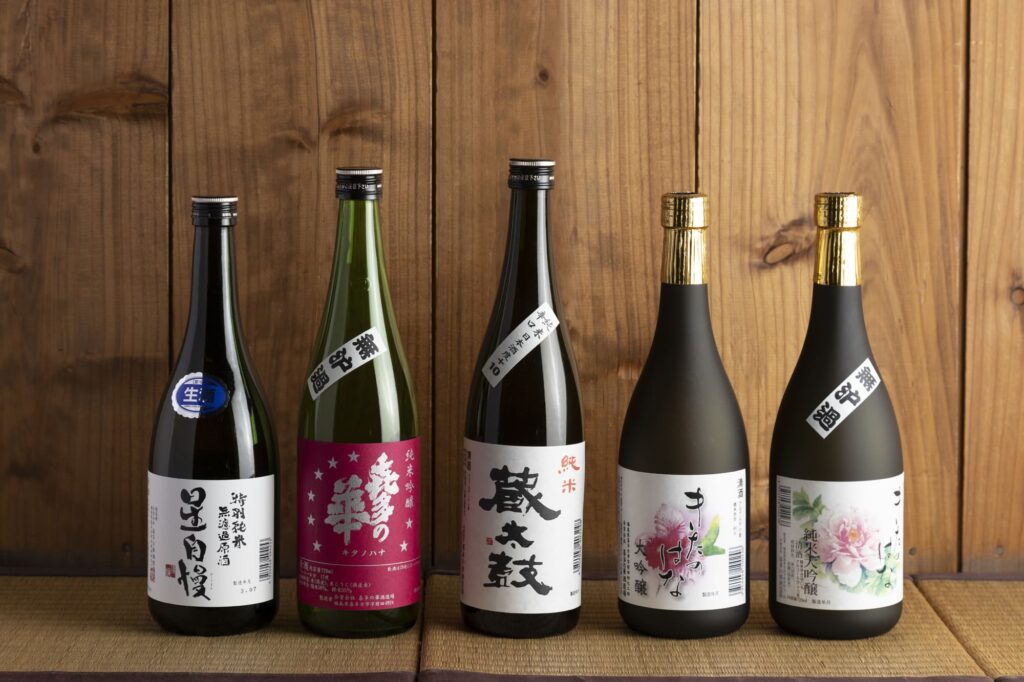
From left: 'Hoshijiman Tokubetsu Junmai Muroka Nama Genshu,' 'Kita no Hana Junmai Ginjo Muroka,' 'Kuradaiko Karakuchi Junmai +10,' 'Kitanohana Daiginjo,' and 'Kitanohana Junmai Daiginjo.' A common mellowness from the underflow water of the Iide mountain range can be tasted in all of them.
CHANGE_What was your biggest turning point?
Enrolling in the Junior College of the Department of Fermentation Science at the Tokyo University of Agriculture in 2010 as a working adult. I was inspired by my classmates who were all so passionate about brewing.
PERSON_Who gives you energy?
My peers who are also dedicated to the craft of sake brewing.
FUTURE_What is your vision for the future?
To keep facing the challenges of sake brewing without giving up, no matter how many difficulties I encounter. I want to be that kind of strong, resilient person.
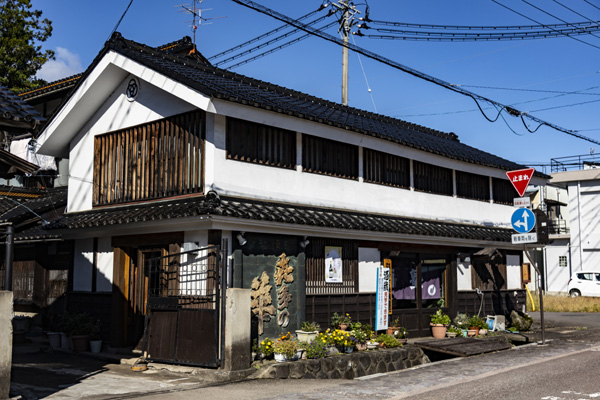
- Name
- Kitanohana Shuzojo
- Established
- 1919
- Address
- 4924 Maeda, Kitakata-shi, Fukushima
- TEL
- 0241-22-0268
- Business Hours
- 9:00 AM - 5:00 PM
- Other
- Brewery tours, "Sake Juku," are held from 10:00 AM to 4:00 PM. Free of charge. Reservations required.