
03
NEXT
GENERATION
Matsuzaki Shuzo
Hiroyuki Matsuzaki
A Commitment to Standard-Defining Sake
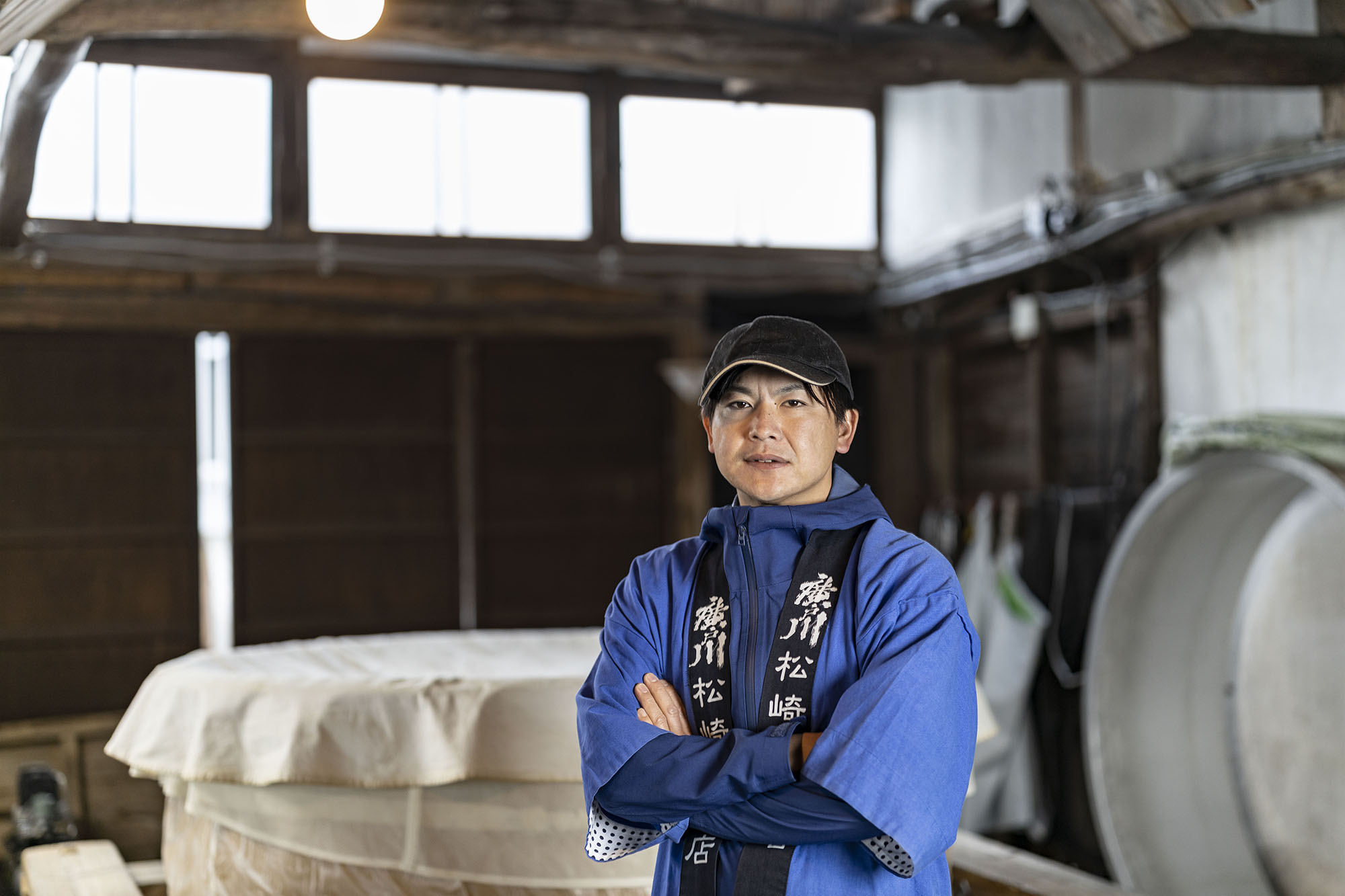
Hiroyuki Matsuzaki(Owner-Brewer)
Born in 1985. He joined the brewery in 2009 and has been the Toji since 2011. In his very first year, he won a gold prize in both the Ginjo and Junmai categories at the Fukushima Prefecture New Sake Awards.
Becoming a Toji at 26 in the Wake of Disaster
Tenei Village, a nature-rich village with a population of about 5,400, is located in the southern part of Fukushima Prefecture. Here, at Matsuzaki Shuzo, which has been brewing sake since 1892 (Meiji 25), is the 6th generation Toji, Hiroyuki Matsuzaki. Just as he was starting out as a kurabito (brewery worker) at the age of 26, he was struck by the Great East Japan Earthquake.
Immediately after the earthquake, the Nanbu Toji who had long come from Iwate Prefecture to brew at the brewery fell ill, making it impossible to continue brewing. "Until then, I was just a lone worker handling miscellaneous tasks and wasn't really involved in the brewing itself, but I took this as an opportunity and decided to become the Toji."
A Standard That Never Stops Evolving
The sake that could be called their standard, brewed using the techniques from their gold-prize-winning Daiginjo, is the Hirotogawa Tokubetsu-Junmai. It's not about making 120 points of sake one year and 60 the next; it's about consistently brewing high-quality sake at around 85 points without wavering. This is the brewing that Matsuzaki aims for, and it is perhaps "Hirotogawa Tokubetsu-Junmai" that most reflects this spirit.
It's simple, almost like Zen. Just as a powerful song or arrangement evolves little by little, this single sake will grow along with Matsuzaki's own age and experience.
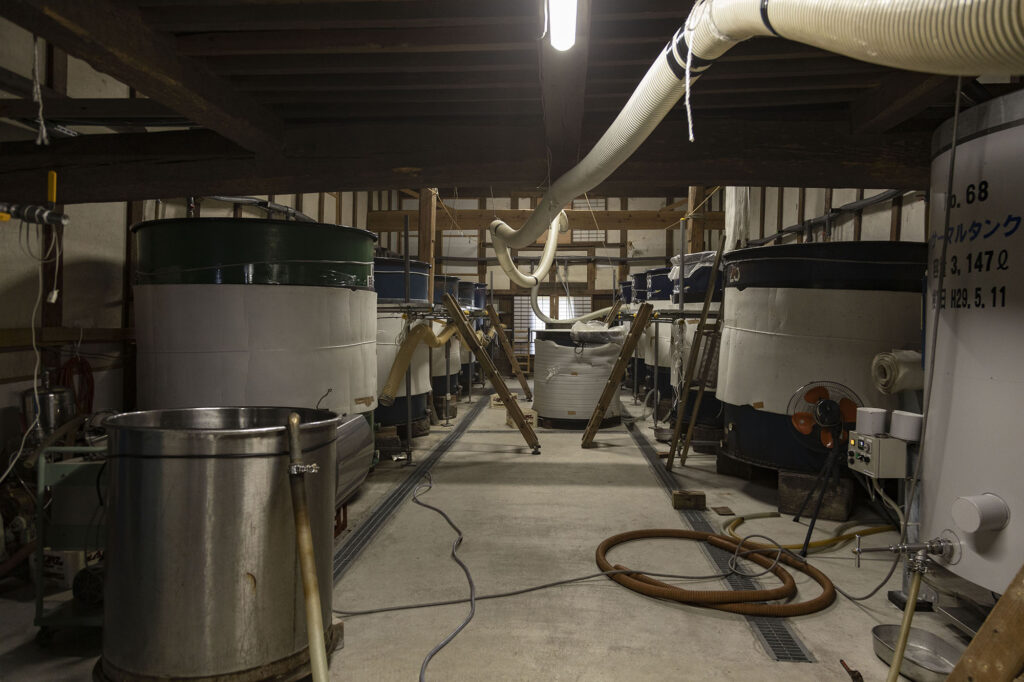
The brewing house, where you can feel the history of its Meiji-period founding in the pillars and beams. The annual brewing volume is approximately 800 koku (equivalent to about 80,000 1.8L bottles).
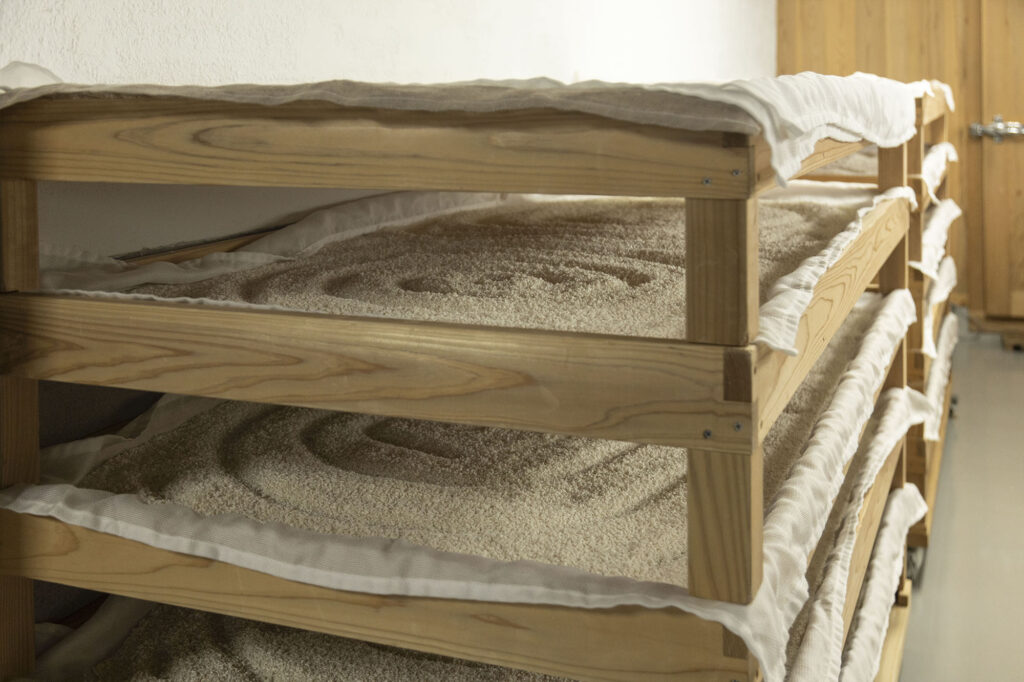
The 'dekōji' process, where the koji rice is taken out of the koji-muro (koji room) to be cooled and dried. This is done to prevent the koji mold from propagating too much.
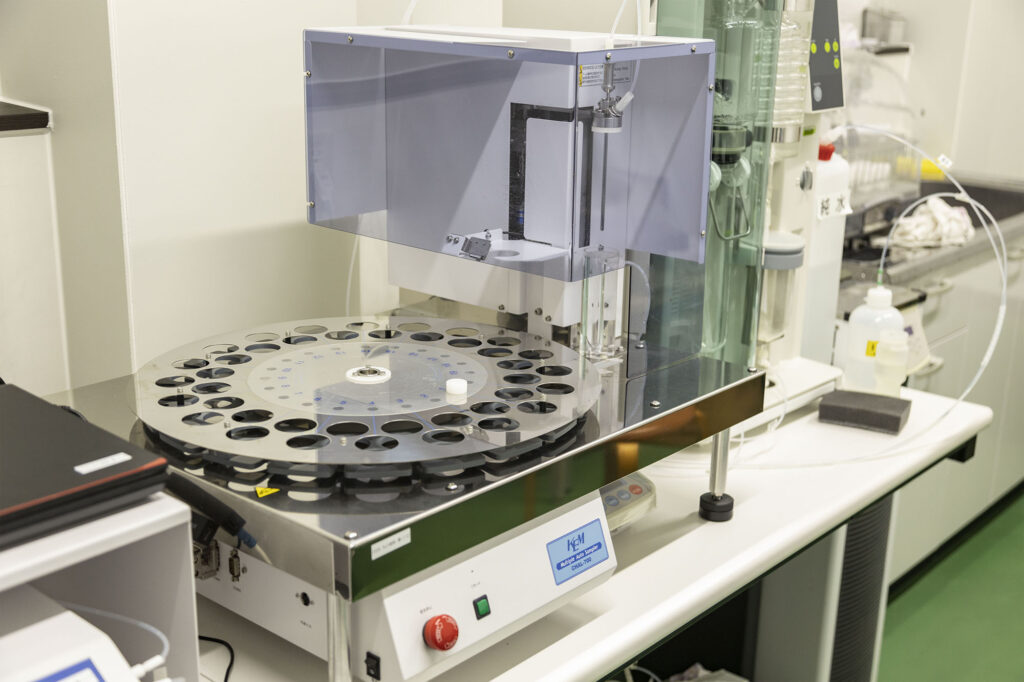
In 2017, they introduced a mechanized analysis room to measure alcohol content, sake meter value (SMV), acidity, and amino acids, tasks that were conventionally done by sight.
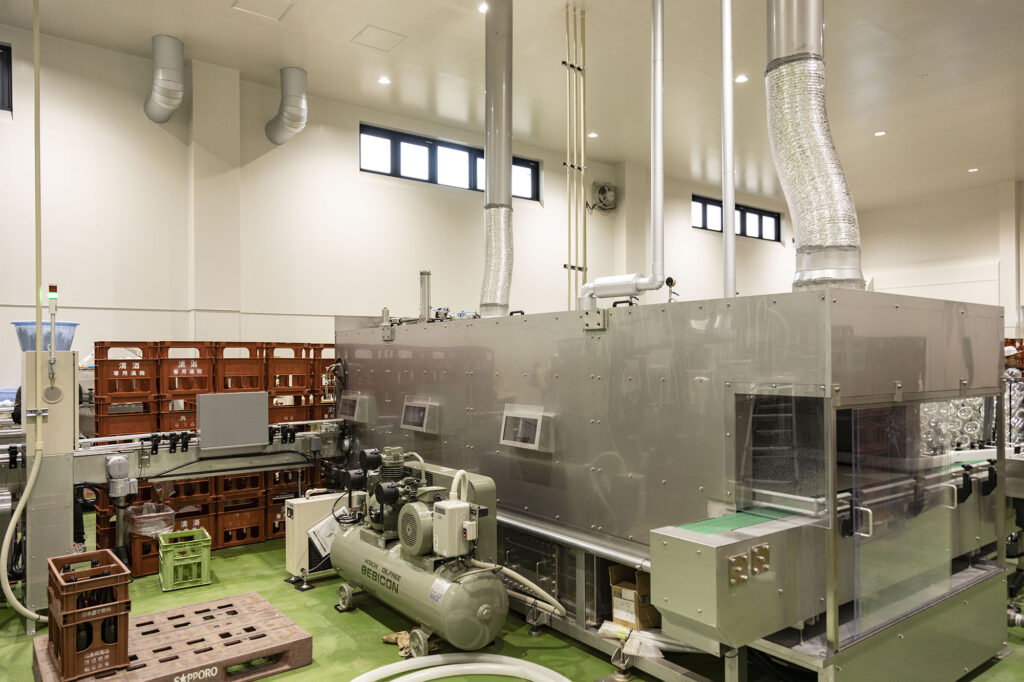
Equipment has also been introduced to streamline and speed up the pasteurization and bottling processes. The finished sake is shipped out quickly while still in its freshest state.
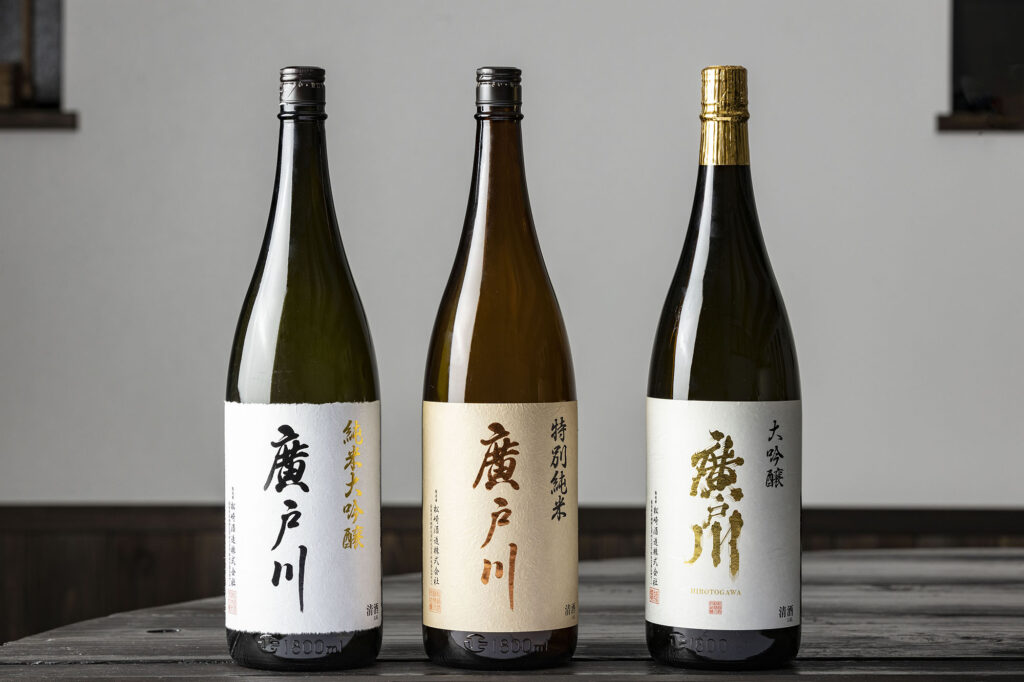
The 'Hirotogawa' brand, which is synonymous with the brewery. From left: a Junmai Daiginjo made with 'Yume no Kaori' rice from Tenei Village polished to 45%; a Tokubetsu Junmai that complements food with its calm ginjo aroma; and a Daiginjo that won a gold prize at the 2012 Annual Japan Sake Awards.
CHANGE_What was your biggest turning point?
Deciding to become a Toji at 26 in the wake of the earthquake. At first, I was eager to completely change the methods of the previous Toji, but I gradually came to brew sake by changing what needed to be changed, while preserving the good parts of the traditional ways.
PERSON_Who influenced you?
My fellow brewers of the same generation who are doing their best within Fukushima Prefecture. We meet regularly to drink sake and exchange information. I'm always curious to know what my peers are doing and what they're trying to achieve.
FUTURE_What is your vision for the future?
To deliver Matsuzaki's sake to people nationwide, 1,000 koku (approx. 180,000 liters) is a benchmark. Without being satisfied with the current situation, I want to increase our production from the current 600 koku to 1,000 koku by the time I'm 40. To build up the brewery's physical capacity to produce that amount while maintaining quality, I want to review various processes.
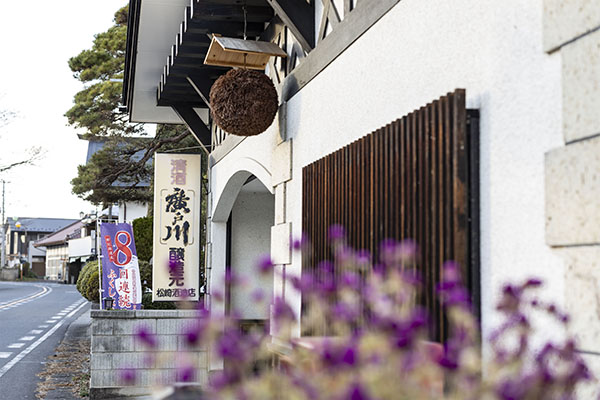
- Name
- Matsuzaki Shuzo
- Established
- 1892
- Address
- 47-1 Kanameya, Oaza Shimo-matsumoto, Tenei-mura, Iwase-gun, Fukushima
- TEL
- 0248-82-2022
- Business Hours
- 9:00 AM - 5:00 PM (Closed Saturdays, Sundays, and public holidays)