
Dry sake has a clean, crisp character with little perceived sweetness, allowing its distinctive umami and acidity to come through clearly.
Even within the category of dry sake, there is a remarkable variety of styles, ranging from rich, full-bodied expressions with a pronounced rice character to light, fruity ones.
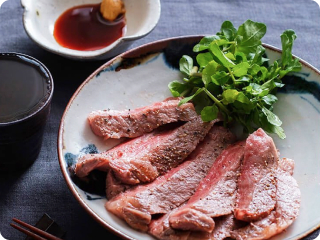
It is refreshing while highlighting rich sake umami, making it exceptionally easy to pair with a wide range of dishes.


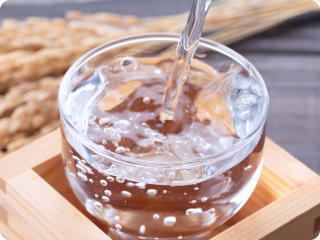
Sweet sake has a smooth, mellow character with a noticeable sweetness that often lingers pleasantly on the palate.
Many aromatic and fruity styles of sake tend to be on the sweeter side, as do sparkling varieties with their refreshing bubbles. Sweet sake also includes many lower-alcohol options, offering a wide range of approachable and enjoyable styles.
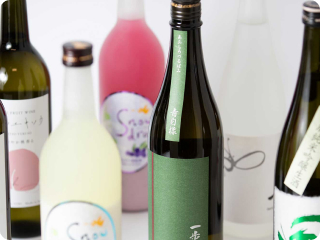
Its smooth, approachable profile makes it easy for beginners to enjoy, while offering a rich flavor experience even when enjoyed on its own.
More About the Flavor of Sake
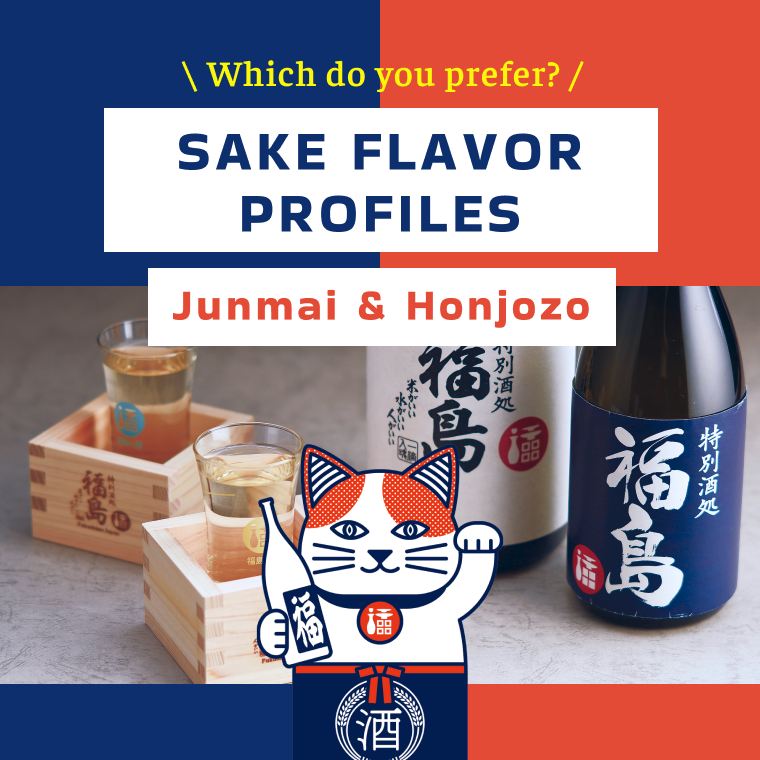 Flavor Profile Guide
Junmai vs. Honjozo: What Is the Difference? A Quick Guide to the 8 Sake Classifications
 Flavor Profile Guide
"Akiagari" and "Hiyaoroshi": Sake You Can Only Experience in Autumn
 Brewing Process Guide
Kimoto, Yamahai, and Sokujo: How Brewing Methods Transform Sake Flavor
 Fukushima Guide
Why Is Fukushima Sake So Delicious? Three Key Reasons
 How to Enjoy Guide
4 Recommended Ways to Enjoy
Sake in Summer
 Culture Guide
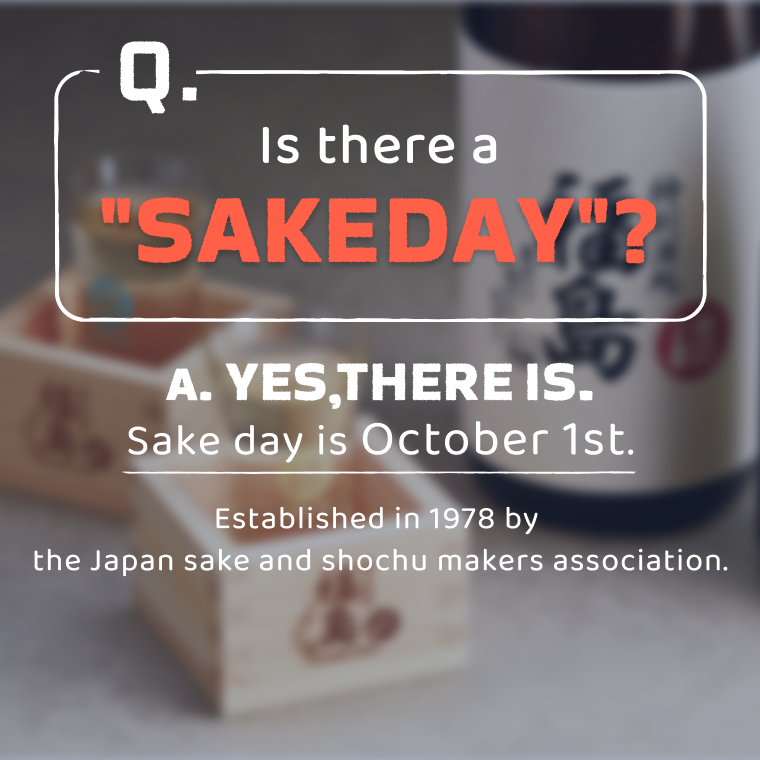
October 1st Is "Sake Day": Its Two Origins and Ways to Celebrate
Now That You Know, Let's Choose