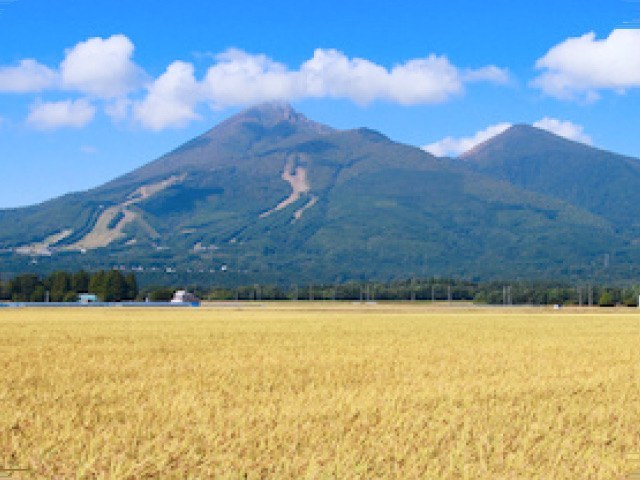
Fukushima Prefecture’s summer heat is well-suited for rice cultivation, while its winter cold produces clear, crisp air that inhibits bacteria growth.
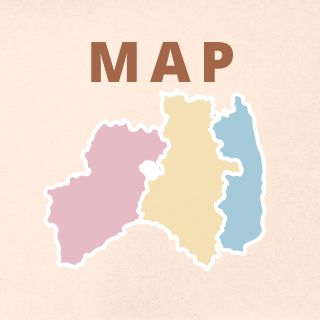
Across the expansive land ranking 3rd largest in Japan, diverse food cultures have flourished, giving rise to a rich variety of sakes with distinct regional characters.
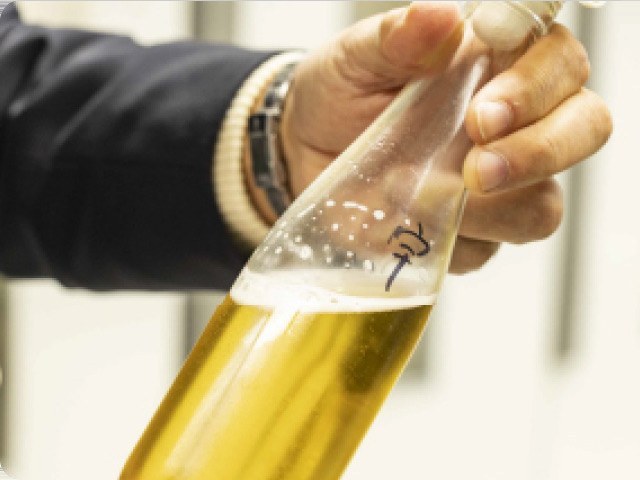
The High-Quality Sake Research Group—popularly known as the "Kintori-kai"—was established with the goal of increasing Gold Prize wins at national competitions.
Though they are competitors, rival breweries come together to share technique, expertise, analysis, and research, constantly inspiring each other to reach new heights.
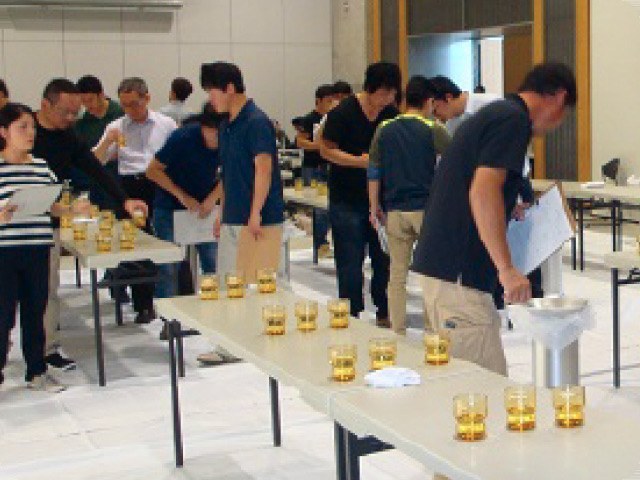
Faced with an aging population of master brewers (Toji) and disappointing contest results, stakeholders concerned for the industry’s future established the "Sake Academy Vocational Training School."
By developing detailed manuals to help even less experienced young brewers produce high-quality sake, the overall quality of Fukushima sake improved dramatically.
Highly aromatic with a light mouthfeel, a delicate and clean finish, and the natural sweetness of rice—these define the classic characteristics of Fukushima sake.
Its incredible versatility allows it to pair smoothly with virtually any ingredient or dish, making it enjoyable even for those who like alcoholic beverages but have hesitated to try sake.
More About the Flavor of Sake
 Flavor Profile Guide
Dry vs. Sweet: What Is the Difference? The Basics of Sake Flavor Profiles
 Flavor Profile Guide
Junmai vs. Honjozo: What Is the Difference? A Quick Guide to the 8 Sake Classifications
 Flavor Profile Guide
"Akiagari" and "Hiyaoroshi": Sake You Can Only Experience in Autumn
 Brewing Process Guide
Kimoto, Yamahai, and Sokujo: How Brewing Methods Transform Sake Flavor
 How to Enjoy Guide
4 Recommended Ways to Enjoy
Sake in Summer
 Culture Guide
October 1st Is "Sake Day": Its Two Origins and Ways to Celebrate
Now That You Know, Let's Choose