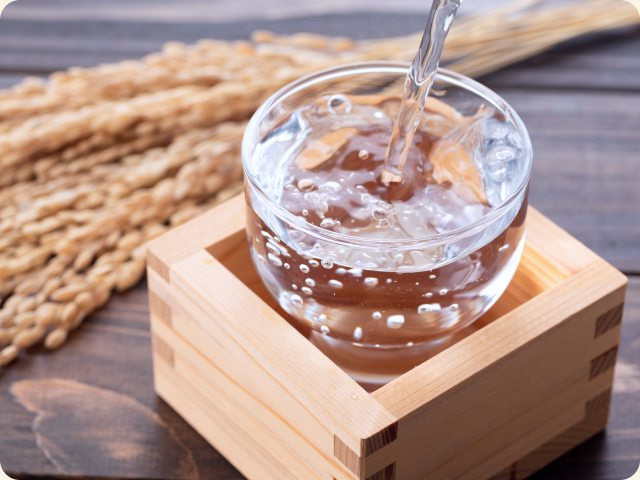
Sake made exclusively with rice, koji, and water.
It is characterized by a rich flavor that highlights the natural presence of rice.
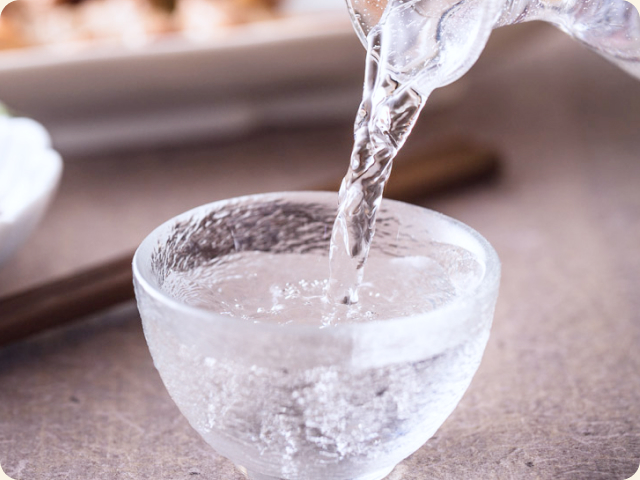
Sake brewed with a small amount of distilled alcohol (less than 10% of the total weight of the polished rice used).
Many varieties offer a light, crisp finish on the palate.
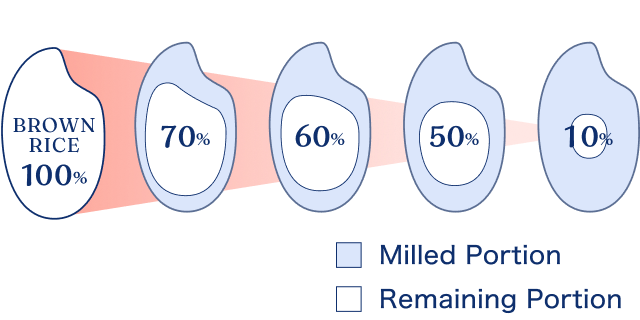
When brewing sake, the outer layers of the brown rice are milled away.
The percentage of the rice grain remaining after milling is known as the rice polishing ratio.
Distilled alcohol refers to highly purified neutral spirits produced by fermenting raw materials such as molasses, corn, sugarcane, or sweet potatoes.
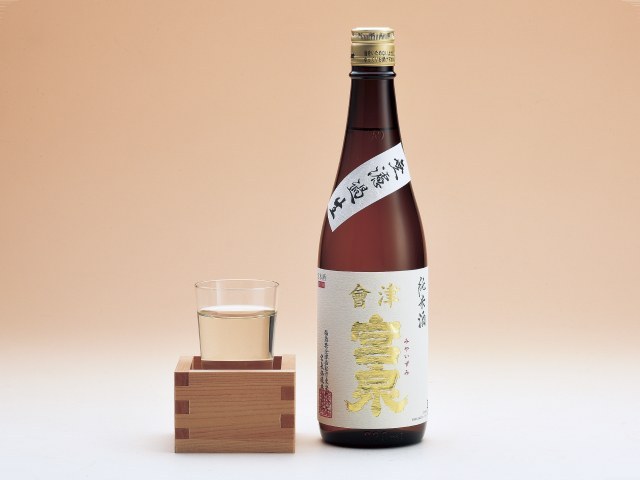
Japanese sake brewed using only rice, koji, and water.
It features the natural umami, subtle sweetness, and rich aroma inherent to rice.
While many varieties offer deep, full-bodied flavors, crisp and light Junmai sakes have also become increasingly popular in recent years.
Characteristics of Junmai-shu
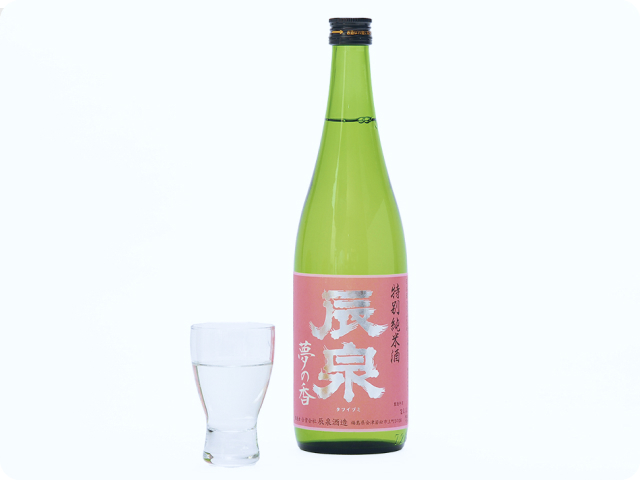
Sake made exclusively with rice, koji, and water, featuring a rice polishing ratio of 60% or lower, or brewed using a special process.
Although there are no fixed brewing methods required, it serves as an excellent showcase for each brewery's unique craft and dedication.
Characteristics of Tokubetsu Junmai-shu
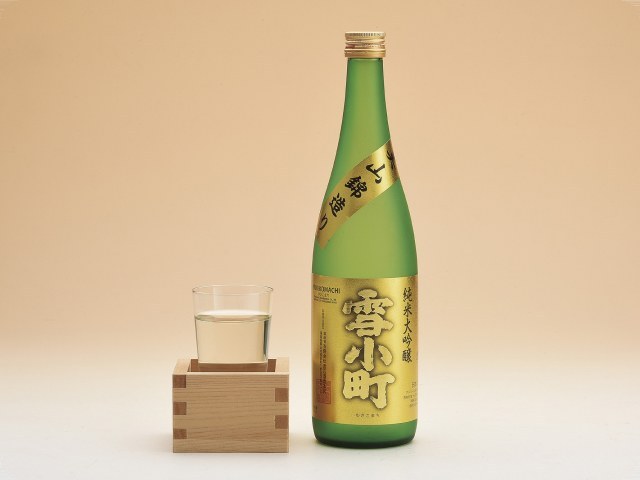
Sake crafted using rice polished to 60% or lower and fermented slowly at low temperatures through the "ginjo-zukuri" method, without the addition of distilled alcohol.
It allows you to enjoy both rich rice umami and a vibrant, elegant aroma.
Characteristics of Junmai Ginjo-shu
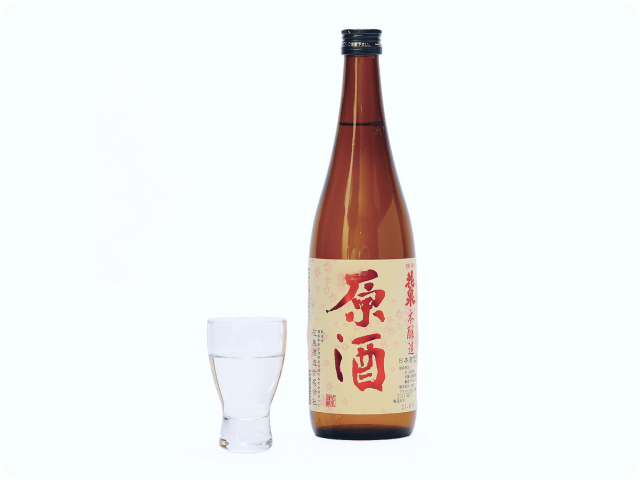
Sake brewed using rice with a rice polishing ratio of 70% or lower.
With a subtle aroma, it offers a light, smooth, and mellow flavor profile, making it exceptionally easy to pair with meals.
Characteristics of Honjozo-shu
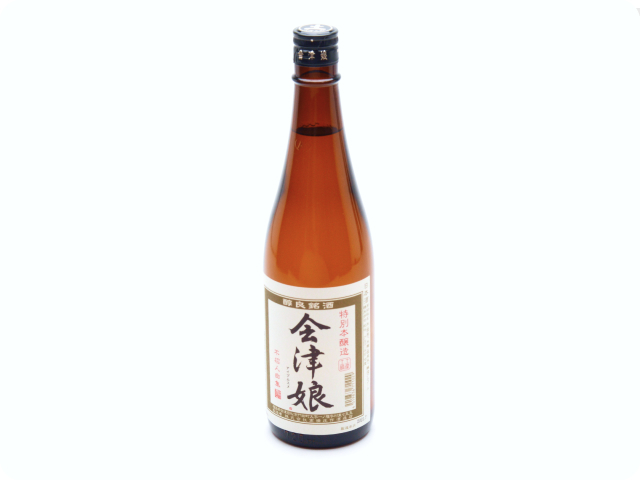
Sake brewed with a rice polishing ratio of 60% or lower, or through a special brewing technique. As with Tokubetsu Junmai, there are no strict rules, but many offerings highlight the brewer's artisan technique.
You can enjoy an even cleaner, crisper flavor profile than standard Honjozo.
Characteristics of Tokubetsu Honjozo-shu
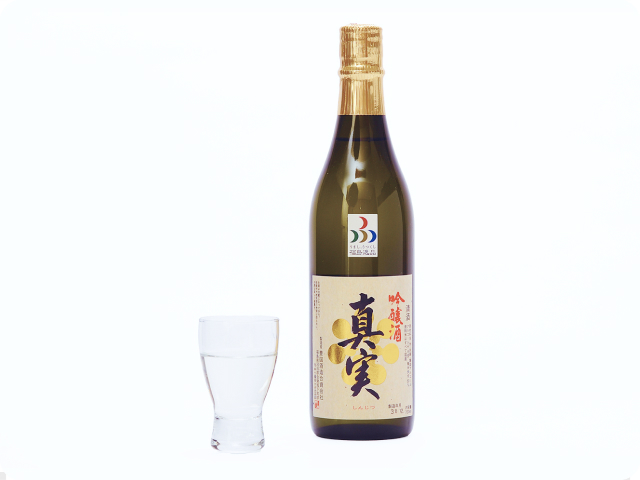
Sake made with rice polished to 60% or lower and a small addition of distilled alcohol. Crafted using the "ginjo-zukuri" process—fermenting highly polished rice over an extended period at lower temperatures than usual—it is renowned for its fruity, vibrant Ginjo Aroma.
Characteristics of Ginjo-shu
We encourage you to sample various varieties
and discover your personal favorite.

More About the Flavor of Sake
 Flavor Profile Guide
Dry vs. Sweet: What Is the Difference? The Basics of Sake Flavor Profiles
 Flavor Profile Guide
"Akiagari" and "Hiyaoroshi": Sake You Can Only Experience in Autumn
 Brewing Process Guide
Kimoto, Yamahai, and Sokujo: How Brewing Methods Transform Sake Flavor
 Fukushima Guide
Why Is Fukushima Sake So Delicious? Three Key Reasons
 How to Enjoy Guide
4 Recommended Ways to Enjoy
Sake in Summer
 Culture Guide
October 1st Is "Sake Day": Its Two Origins and Ways to Celebrate
Now That You Know, Let's Choose