
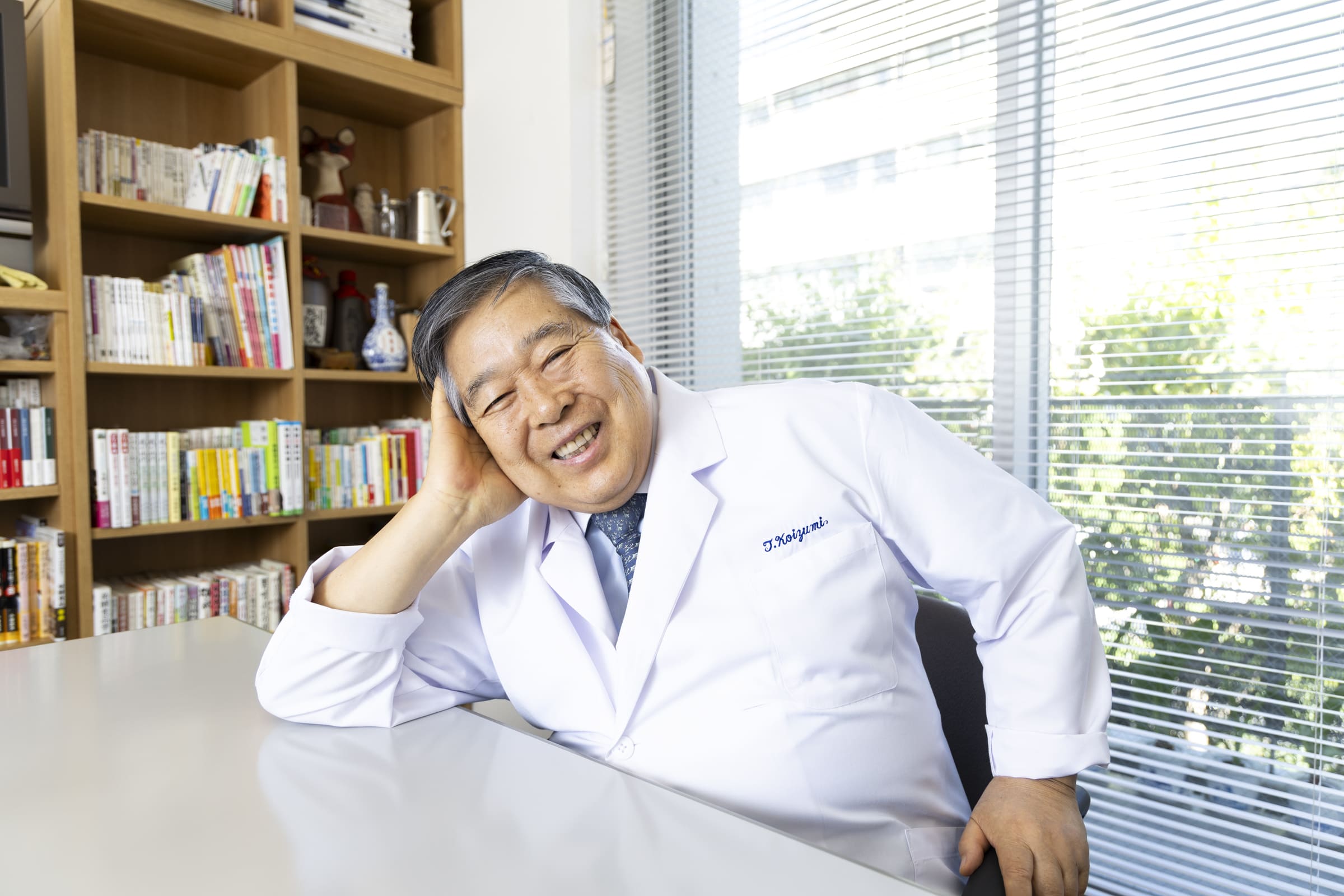
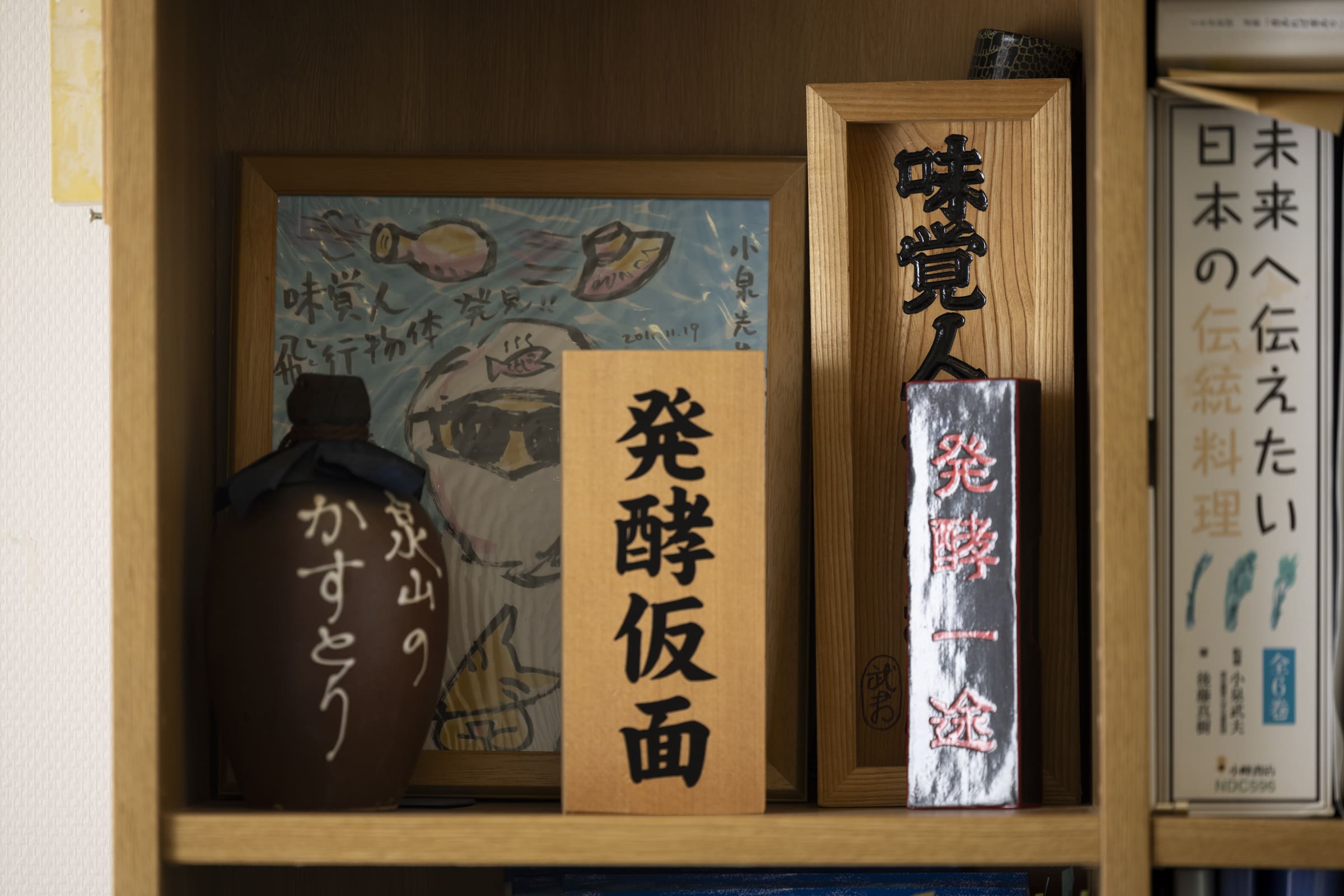
――― Could you please tell us about your childhood growing up in a sake brewery in Ono?
Since my family home was a sake brewery, rice was steamed in a large cauldron early in the morning during the brewing season. It was a wonderful, appetizing aroma that served as my wake-up call. The town of Ono is a place from which you can see a glimpse of the Pacific Ocean after climbing the 965-meter Mount Yadaijin. From a young age, I often ate fish landed at Onahama Port in the neighboring Iwaki City. The fish from Onahama include bonito, sardines, saury, and mackerel. The fish caught in the shiome, the convergence where cold and warm currents clash, are called "Joban-mono," and they are extremely delicious. We also often ate pheasant and game birds from the surrounding Abukuma mountains. It was certainly a place where one never lacked for delicacies to accompany sake (laughs).
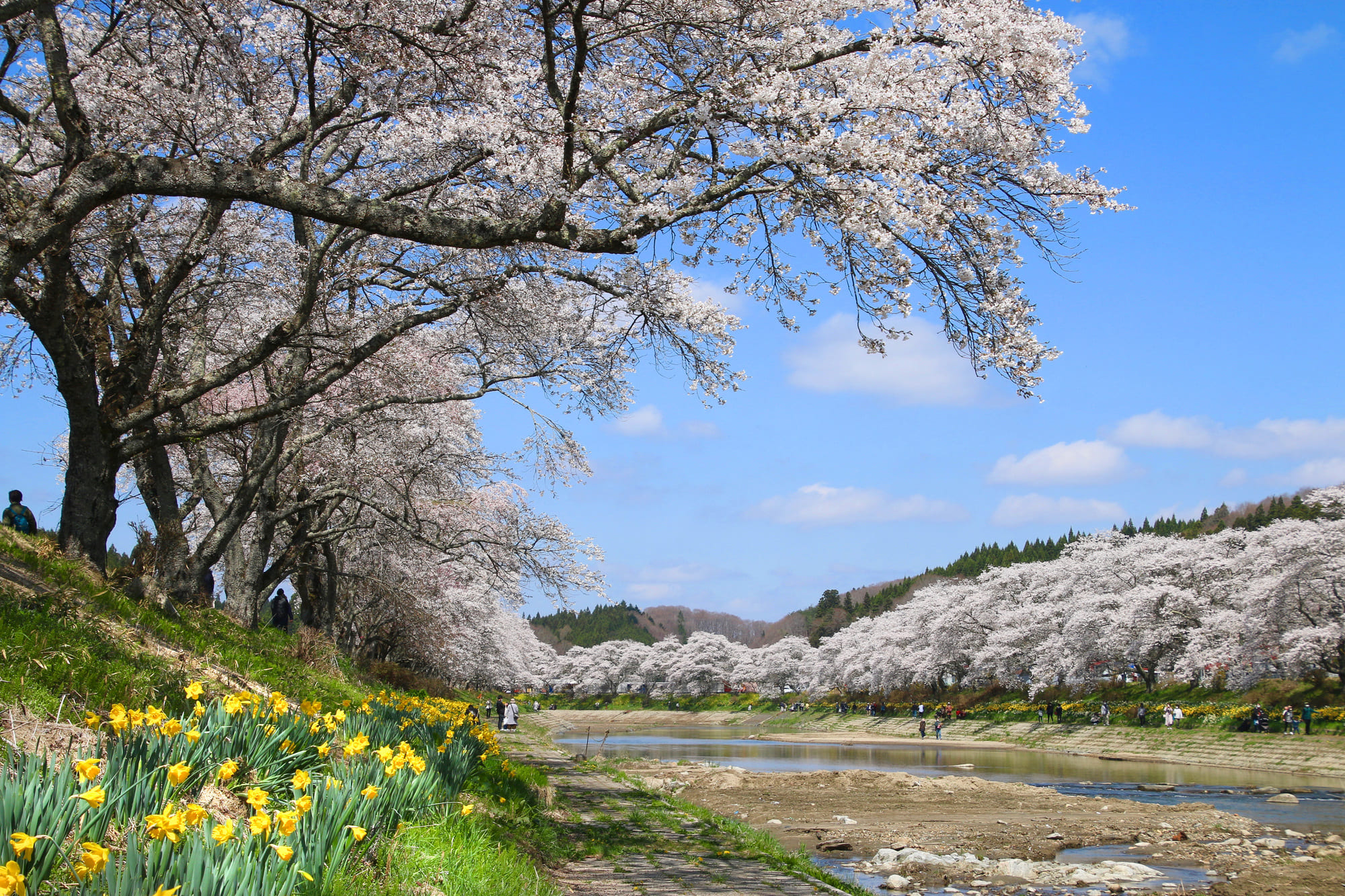
Ono Town, located in the central Nakadori region of Fukushima Prefecture, is a town rich in nature. (Photo shows the Natsui Senbonzakura in the town).
――― Did you decide to study brewing and zymology to take over the family business?
I had wanted to become a science teacher when I was in my third year of high school, but just before my entrance exams, my family's brewery merged with three other breweries and relocated to Koriyama. Because the new brewery needed a technician, I changed my plans at the last minute and enrolled in the Tokyo University of Agriculture, which is the only university in Japan with a Department of Brewing Science. For me, this turned out to be a great decision. At this university, all students brew sake in their own cask. As I spent my days observing yeast, lactic acid bacteria, and koji mold under a microscope, I became genuinely fond of fermentation. I later became absorbed in my research and ultimately did not join the brewery in Koriyama.
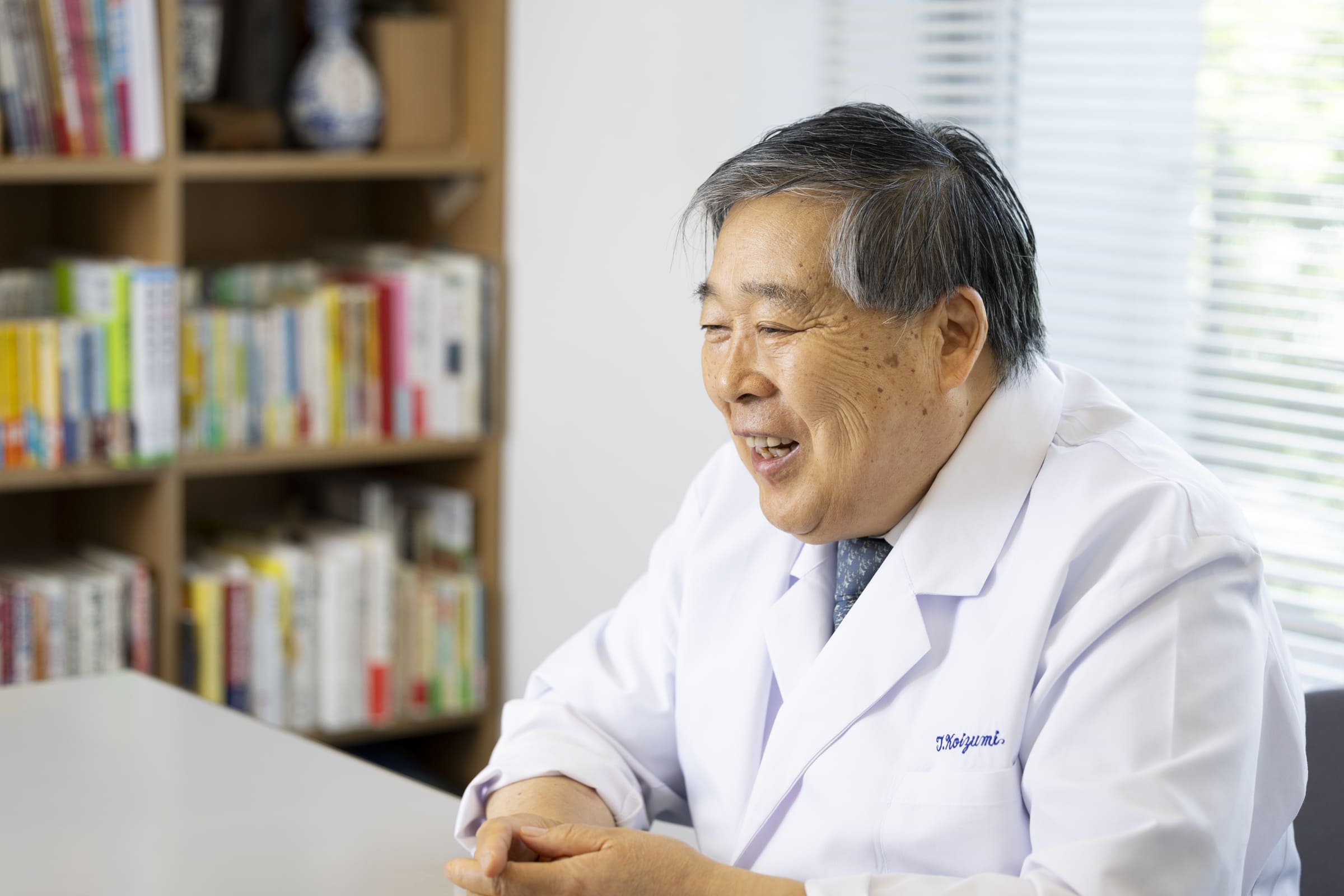
――― We heard that you were involved in developing an original sake in your hometown of Ono.
After being consulted by the mayor about revitalizing the town, I proposed the development of an original sake. Using 100% 'Fukunoka' sake rice grown in Ono Town, I entrusted the brewing to a former student of mine, Keiichi Tonokawa of Okunomatsu Sake Brewery, who is a government-designated Contemporary Master Craftsman with exceptional skills. The resulting Junmai Ginjo sake was named 'Todousankachiuma.' Ono Town once thrived on horse breeding, and it is also home to Mount Todo, which enshrines the Bato Kannon (horse-headed deity). Furthermore, Fukushima City hosts the Fukushima Racecourse, which attracts people from all over the country. Because of these auspicious connections, it is popular not only with horseracing fans but also with those involved in events like baseball tournaments, and it sells out very quickly each year. It has a noble aroma and a clean flavor, with a sharp finish that disappears quickly. It is a very fine sake.
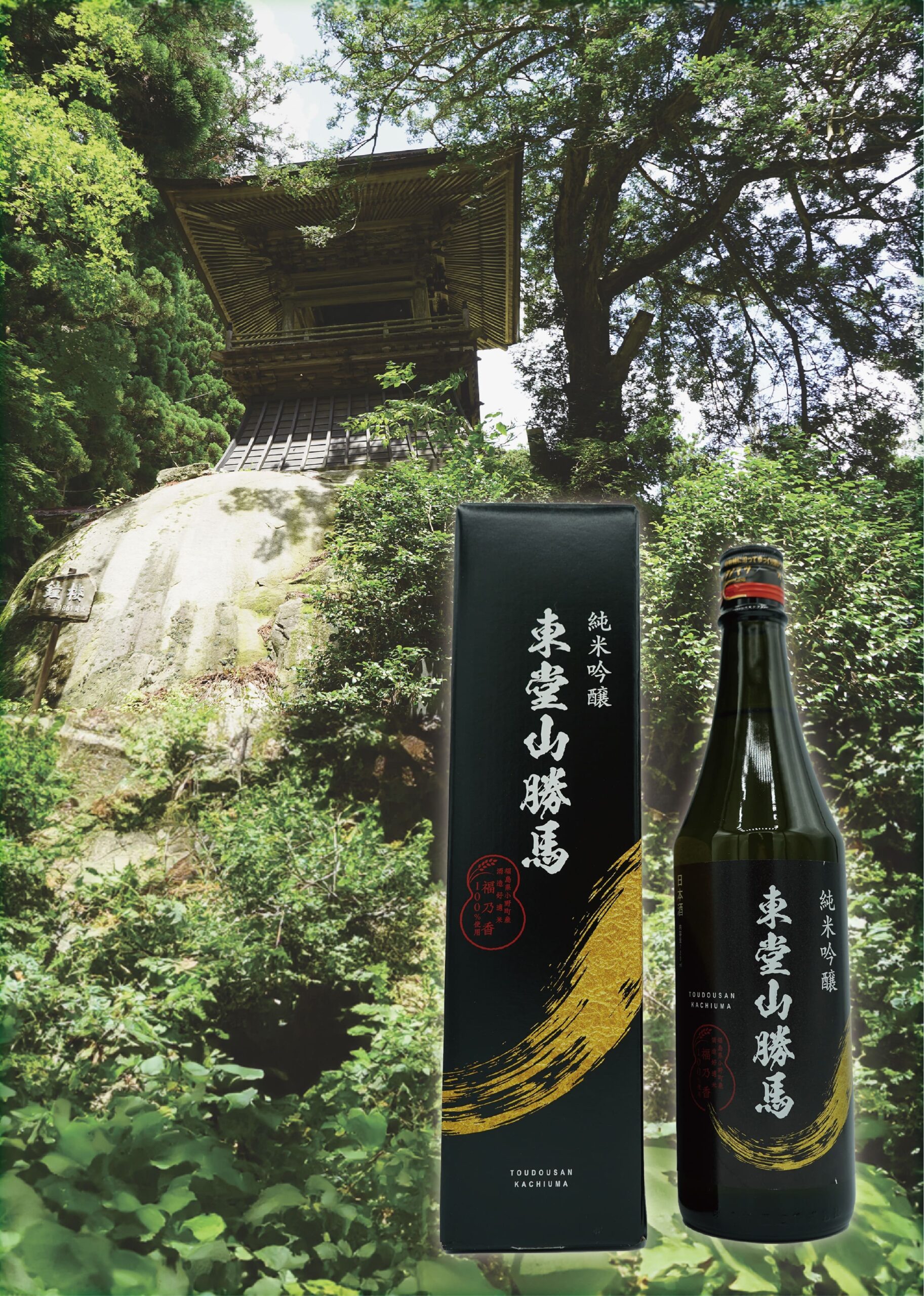
"Junmai Ginjo Todousan Kachiuma," an original sake made with rice grown in Ono Town.
――― Is Fukushima's environment suitable for sake brewing?
Fukushima Prefecture has many basins, such as the Fukushima, Koriyama, and Aizu basins, and subterranean water springs up from various places in the surrounding mountains. This water, which seeps through the mountainsides, is rich in minerals that serve as nutrients for the yeast. This water powerfully advances the sake's fermentation. Additionally, the climate in the basins, with its large temperature variations between day and night, provides favorable conditions for growing high-quality sake rice. Furthermore, the sake breweries in Fukushima are all very cold in the winter. A chill rises from your feet, and it gets quite cold. However, this environment is ideal for the fermentation of the moromi (main mash).
――― In recent years, Fukushima's sake has been highly acclaimed nationwide, achieving the unprecedented feat of winning the most gold prizes at the Annual Japan Sake Awards for nine consecutive years. What do you think are the factors behind this?
The contributions of Mr. Kenji Suzuki, a former employee of the Fukushima Technology Centre who enthusiastically provided guidance on ginjo brewing, are likely a major factor. Additionally, the active technical exchange between breweries and the fact that a younger generation of owners has taken over, bringing a new sensibility to brewing, are also significant. In other words, it comes down to the idea that "sake brewing is people-building." I believe this phrase captures it perfectly.
――― Could you tell us about the local foods you would like to enjoy with Fukushima's sake?
Fukushima Prefecture has countless delicious foods; there are so many it's hard to choose. If I were to select my personal favorites from the three main regions, they would be as follows. First, in the "Hamadori" region, the uni no kaiyaki (sea urchin grilled in its shell), a specialty of Iwaki City, is excellent. Its visual appeal and taste are outstanding. It is quite expensive, but it is a delicacy I have always admired. The kimoae, made by crushing the liver of fish like monkfish and mixing it with the raw flesh, is also superb. In the "Nakadori" region, I recommend ika-ninjin (a squid and carrot dish). Also, the shishi-unagi (wild boar) from the southern part of the prefecture, in towns like Ishikawa, Tanagura, and Yamatsuri. The meat of the wild boar has a rich umami flavor and is a great favorite of mine. In the "Aizu" region, there is nishin no sanshozuke (herring pickled with Japanese pepper) and the basashi (horse sashimi) of Aizubange. And we shouldn't forget the soba noodles. Everything in Fukushima is so delicious that it is impossible to introduce it all.
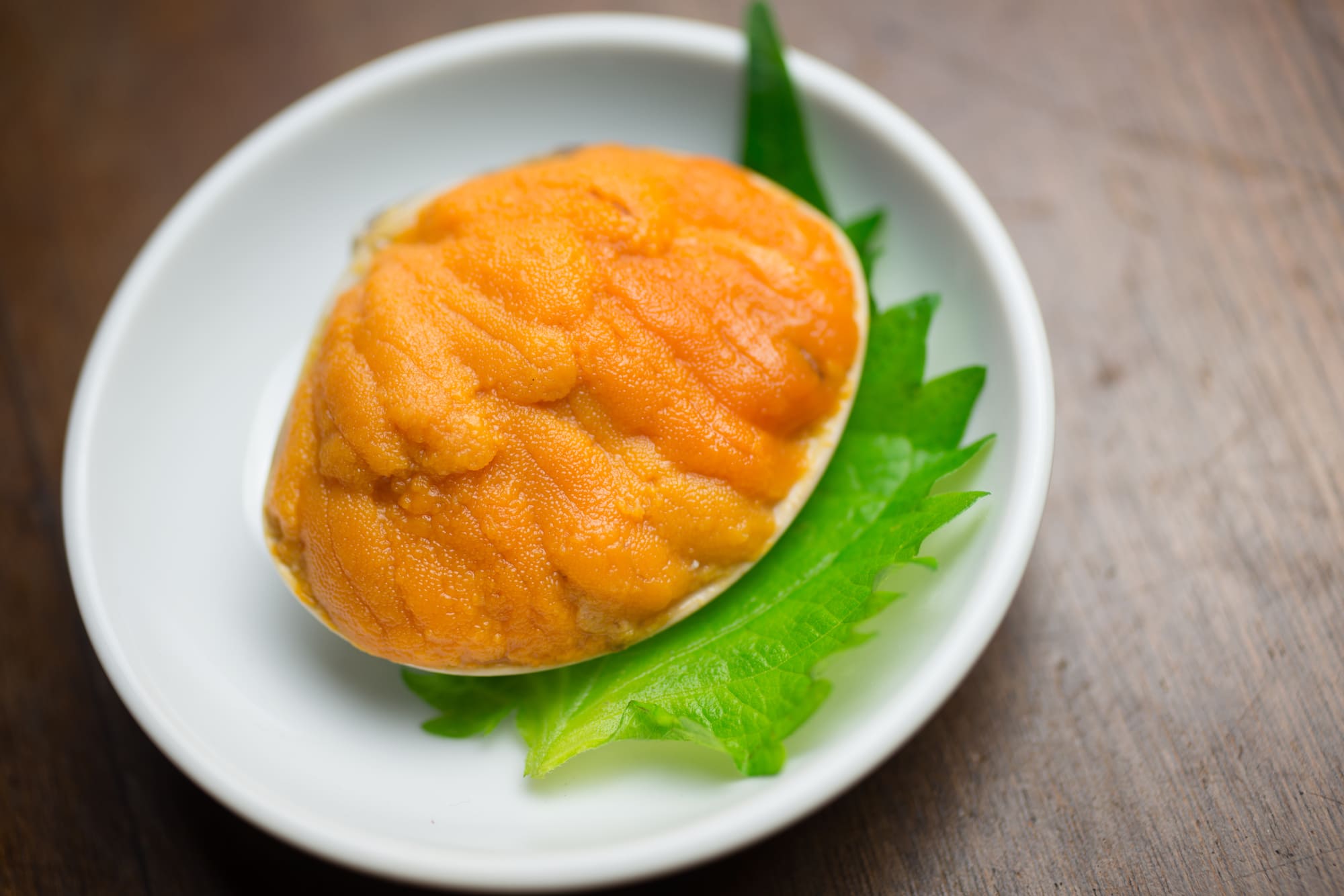
Uni no Kaiyaki (A local dish said to have originated in Iwaki, made by piling raw sea urchin into a surf clam shell and steam-roasting it).
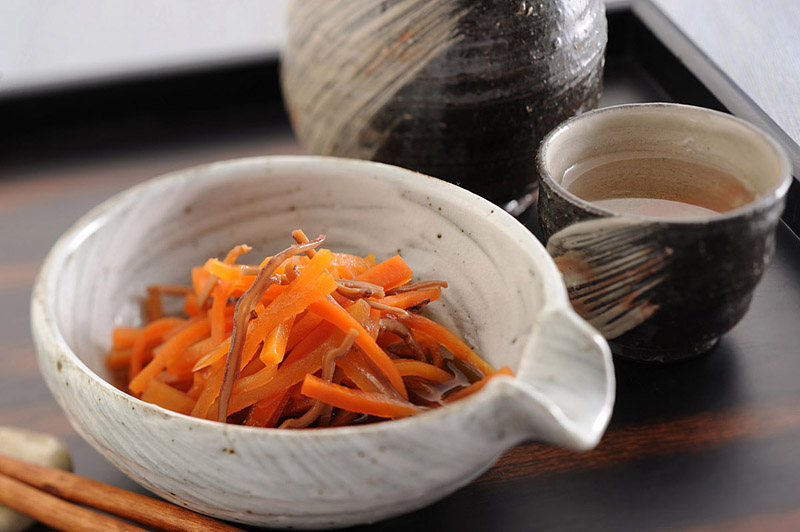
Ika-ninjin (A local dish from the northern Nakadori region, made by marinating dried squid and carrots in a special soy sauce-based sauce).
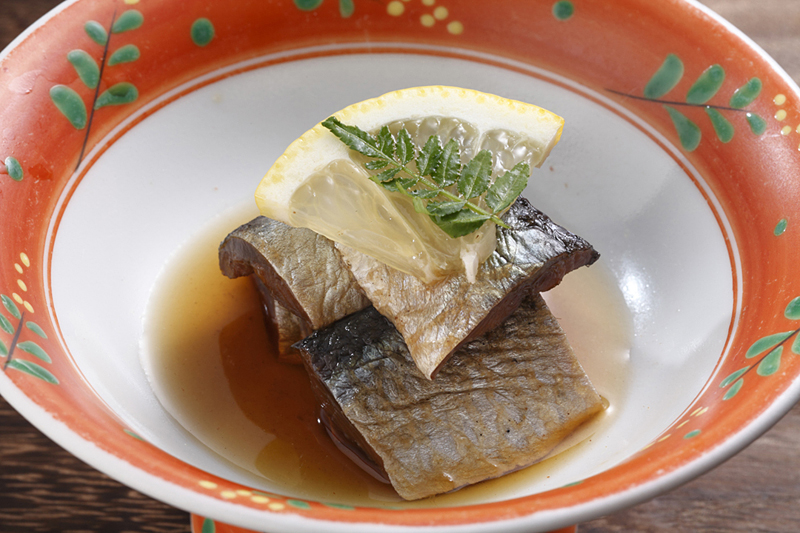
Nishin no Sansho-zuke (A local dish of the Aizu region, made by pickling dried herring with ingredients such as Japanese pepper leaves, soy sauce, sake, and vinegar).
――― Finally, could you please share a "message of love" for Fukushima's sake?
Currently, Fukushima produces only fine sakes, some of which can be difficult to purchase. However, it is important not to become complacent. Rather than rapidly expanding the scale of the brewery just because the sake is selling well, the brewers must not lose the spirit of "making good sake while diligently maintaining the current state." While it is good to ship sake to Tokyo, it is also very important to have local people drink it more and feel a sense of pride. Never forget your original intentions. This is something I also tell my own students.